
The average homeowner spends $3,000 to $5,000 per year on maintenance and repairs. Without a plan, these costs hit your wallet as painful surprises. With a maintenance budget and schedule, you can prepare financially and prevent small problems from becoming expensive emergencies.
The 1 Percent Rule
A widely used guideline is to budget 1 to 2 percent of your home’s value per year for maintenance. For a $300,000 home, that is $3,000 to $6,000 annually, or $250 to $500 per month set aside in a dedicated home maintenance fund.
This might seem like a lot, but consider the costs of major systems: a new roof costs $8,000 to $15,000 and lasts 20 to 30 years. An HVAC system costs $5,000 to $12,000 and lasts 15 to 20 years. A water heater costs $1,000 to $3,000 and lasts 10 to 15 years. These are not “if” expenses — they are “when” expenses. Every system in your home has a lifespan and will eventually need replacement.
By saving monthly into a maintenance fund, you transform unpredictable emergencies into planned expenses. When the water heater fails, you draw from the fund instead of putting $2,500 on a credit card at 22 percent interest.
Preventive Maintenance Saves Thousands
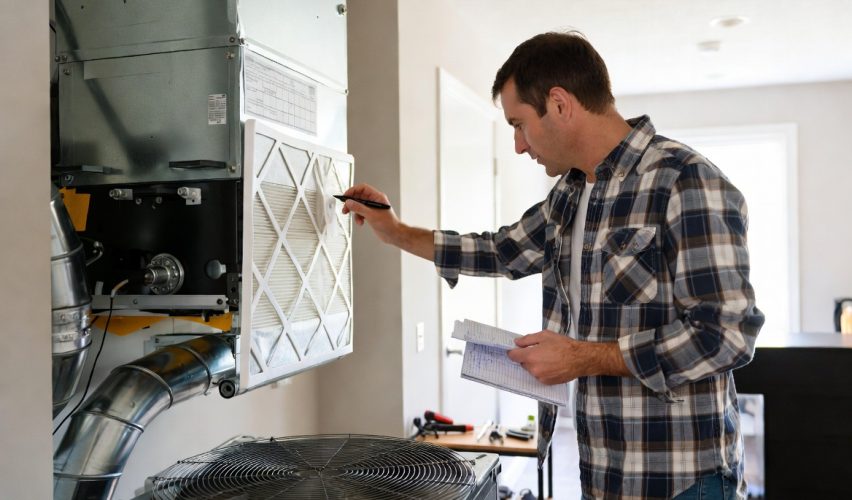
Preventive maintenance is always cheaper than emergency repair. Changing your HVAC filter every three months costs $20 and prevents a $3,000 compressor failure. Cleaning gutters twice a year costs $150 (or free if you DIY) and prevents $5,000 to $10,000 in water damage to your foundation and basement.
The concept is simple: small, regular investments in maintenance prevent large, unexpected repair bills. A $200 annual furnace tune-up extends the system’s life by years and catches small problems before they become big ones. A $50 tube of caulk around windows prevents hundreds in heating costs and thousands in water damage repairs.
Think of home maintenance like oil changes for your car. You can skip them for a while and nothing seems to happen, but eventually the engine fails and costs $5,000 to replace. The $50 oil change every 5,000 miles was always the cheaper option.
Seasonal Maintenance Calendar
Spring:
- Inspect roof for winter damage — replace missing or damaged shingles
- Clean gutters and downspouts — direct water away from foundation
- Service AC unit before summer — change filter, clean coils, check refrigerant
- Check exterior paint and caulking — repair gaps before rain season
- Test sprinkler system and check for leaks in outdoor faucets
Summer:
- Power wash exterior — siding, deck, driveway, walkways
- Inspect and repair deck or patio — replace loose boards, seal or stain
- Check attic ventilation and insulation — proper ventilation prevents heat buildup
- Deep clean kitchen appliances — oven, dishwasher, refrigerator coils
- Test smoke and carbon monoxide detectors, replace batteries
Fall:
- Service furnace before winter — change filter, inspect heat exchanger
- Clean gutters again after leaf fall
- Winterize outdoor faucets and irrigation — drain and insulate
- Inspect and seal windows and doors — add weatherstripping as needed
- Reverse ceiling fan direction — clockwise pushes warm air down
Winter:
- Check for ice dams on roof and proper attic insulation
- Monitor pipes in unheated areas — add insulation to prevent freezing
- Test sump pump if applicable — spring snowmelt is coming
- Check fire extinguishers — ensure charged and accessible
- Plan and budget for any major projects needed next year
Create a home maintenance binder. Keep records of every repair, service call, and improvement. Note the date, cost, service provider, and warranty information. When you sell your home, this documentation proves the home was well-maintained, which can increase your sale price. It also helps you track when systems were last serviced and when they might need replacement.
DIY vs. Hiring a Professional
Some maintenance tasks are easy DIY projects that save significant money. Others should always be done by professionals to avoid injury, code violations, or making the problem worse.
Easy DIY (save $100-500 per task): Changing HVAC filters, caulking windows and doors, cleaning gutters (single-story homes), replacing faucet washers and showerheads, painting interior walls, cleaning dryer vents, and basic landscaping. YouTube tutorials make most of these straightforward even for beginners.
Hire a professional: Electrical work beyond changing outlets, plumbing beyond simple fixes, roof repairs, HVAC servicing, foundation issues, gas line work, and anything involving structural changes. The cost of a professional is always less than the cost of fixing a DIY mistake — or an emergency room visit.
A good rule: if the repair involves electricity, gas, structural elements, or your roof, hire a professional. If it involves water, paint, filters, or cosmetics, try it yourself first.
Prioritizing When Money Is Tight
If you cannot afford to do everything on the maintenance list, prioritize based on what prevents the most expensive damage. Water damage is the most common and costly homeowner issue. Anything that keeps water out of your home — roof repairs, gutter cleaning, foundation drainage, window sealing — should be the top priority.
Next, focus on safety: smoke detectors, CO detectors, electrical issues, and HVAC functionality. After safety and water prevention, address efficiency improvements that reduce utility costs, like weatherstripping and insulation. Cosmetic items — painting, landscaping, fixture updates — are lowest priority when budgets are limited.
When you need a repair you cannot afford, get three quotes and ask about payment plans. Many HVAC, plumbing, and roofing companies offer financing. A 0 percent financing plan is far better than ignoring a problem that worsens over time or putting it on a high-interest credit card.
Set up a dedicated home maintenance savings account this week
Start with $100 per month and build to 1% of your home’s value per year. Future you will be grateful.
Finance Helper Hub may receive compensation when you click links on this page. All information is for educational purposes only and does not constitute financial, legal, or tax advice. Consult a qualified professional before making financial decisions.

Get Free Financial Tips Delivered to Your Inbox
Join thousands of readers learning to take control of their money. No spam, unsubscribe anytime.
We respect your privacy. Read our Privacy Policy.