

How to Maximize Credit Card Rewards Without Going Into Debt
Used strategically, credit card rewards can put $500 to $2,000 back in your pocket every year through cash back, travel points, and sign-up bonuses. The key rule: never carry a balance. Interest charges will always outweigh any rewards you earn. ✔ $500-$2,000/Year Back ✔ No Annual Fees Needed ✔ Simple Systems The...

How to Negotiate Lower Bills on Everything From Insurance to Internet
Most people pay whatever amount appears on their monthly bills without question. But almost every recurring bill you pay — from cable to car insurance — has room for negotiation. A few phone calls can save you hundreds or even thousands of dollars per year. ✔ Works on Most Bills ✔ $50-300 Saved Per Call …...

The Frugal Living Guide: 25 Ways to Save Without Feeling Deprived
Frugal living is not about deprivation — it is about spending intentionally on what matters to you and eliminating waste everywhere else. These 25 strategies can save the average household $5,000 to $10,000 per year without sacrificing quality of life. ✔ $5K-$10K Annual Savings ✔ No Deprivation ✔ Start Today The...

10 Simple Ways to Save Money on Groceries Without Clipping Coupons
The average American household spends over $5,200 on groceries per year, and most families are wasting 20 to 30 percent of that on food they throw away, impulse buys, and paying full price for items that regularly go on sale. You do not need coupons to cut your bill — you need a better strategy. …...

Meal Planning on a Budget: Feed Your Family for Under $75 Per Week
The average American family of four spends over $1,000 per month on food. With a simple meal planning system, you can cut that number in half while eating healthier meals. The secret is not extreme couponing — it is planning what you eat before you shop. ✔ Under $75/Week ✔ Real Recipes ✔ Less Food …...

Debt Snowball vs. Debt Avalanche: Which Payoff Strategy Is Right for You
If you are juggling multiple debts — credit cards, car loans, student loans, medical bills — you need a strategy. The two most popular approaches are the debt snowball and the debt avalanche. Here is how to choose the one that fits your personality and your finances. ✔ Both Methods Work ✔ Math vs. Motivation …...

Understanding Your Credit Score: What It Is and Why It Matters
Your credit score is a three-digit number that lenders, landlords, and even some employers use to evaluate your financial reliability. Understanding how it works is the first step to improving it — and saving thousands of dollars over your lifetime. ✔ Free to Check ✔ Easy to Understand ✔ Actionable Steps What Is a Credit …...
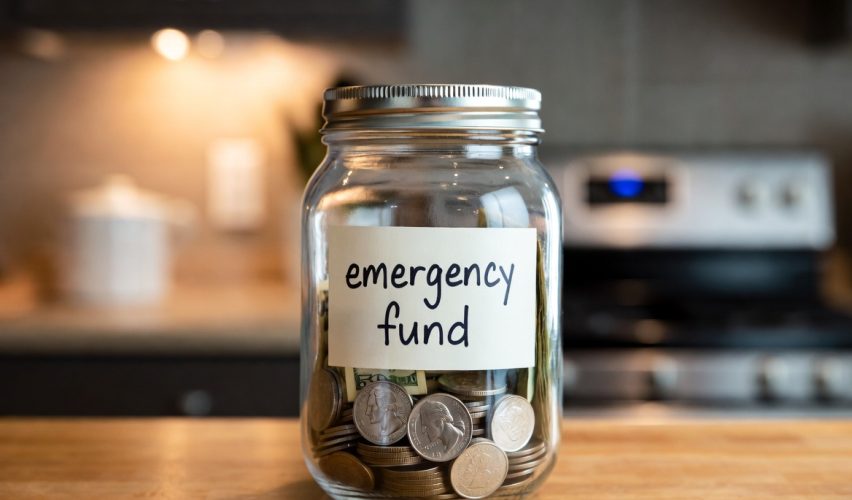
How to Build an Emergency Fund Starting From Zero
Nearly 60 percent of Americans cannot cover a $1,000 emergency with savings. If that sounds like you, this guide will show you how to build your safety net from scratch — even if money is tight right now. ✔ Start With $0 ✔ Realistic Goals ✔ Step by Step Why an Emergency Fund Matters An …...

The 50/30/20 Rule Explained: A Simple Framework for Your Money
If you have ever felt overwhelmed by budgeting advice, the 50/30/20 rule simplifies everything into three categories. It is one of the easiest frameworks to follow and it works whether you earn $30,000 or $130,000 a year. ✔ Beginner Friendly ✔ Flexible Framework ✔ Proven Method What Is the 50/30/20 Rule? The 50/30/20 rule divides...

How to Create a Monthly Budget That Actually Works
Most budgets fail within the first month. The reason is not a lack of discipline — it is a lack of a realistic plan. A budget that works is one you can actually follow, week after week, without feeling like you are punishing yourself. ✔ Practical Tips ✔ No Apps Required ✔ Works on Any …...