
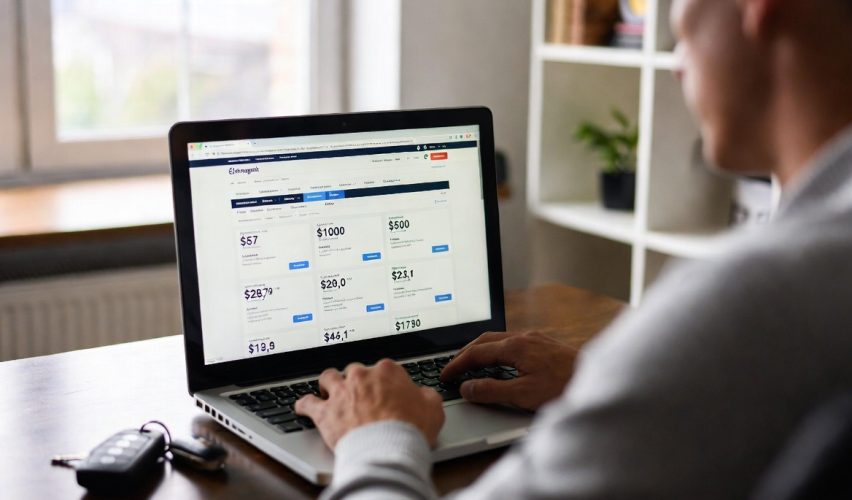
Most Americans overpay for auto insurance because they set it and forget it after buying a car. A little comparison shopping and knowing which discounts to ask for can save you $500 to $1,200 per year without sacrificing coverage.
Why You Are Probably Overpaying
Insurance companies count on customer inertia. When you first sign up, many offer introductory rates or discounts that quietly expire after the first year. Your premium creeps up by 5 to 15 percent at each renewal, and most people never notice because it is on autopay. Over three to five years, you could be paying 30 to 50 percent more than a new customer for the exact same coverage.
Your life circumstances also change. Maybe you moved to a safer neighborhood, started working from home, paid off your car loan, or improved your credit score. All of these factors affect your premium, but your current insurer will not proactively lower your rate. You have to shop around or at least call and ask.
The National Association of Insurance Commissioners reports that the average American household spends roughly $1,700 per year on auto insurance. But rates vary dramatically between companies for the same driver profile. Getting three to five quotes takes about 15 minutes online and can reveal savings you did not know existed.
Understanding Your Coverage Types
Liability coverage is required in almost every state. It pays for damage and injuries you cause to others in an accident. Most states require minimum amounts, but minimums are dangerously low. If you cause a serious accident and your liability limit is $25,000, you are personally responsible for everything above that. Financial advisors recommend at least $100,000 per person and $300,000 per accident.
Collision coverage pays to repair or replace your car after an accident regardless of who is at fault. If your car is worth less than $5,000, the premiums may not be worth it since the payout would be minimal after your deductible.
Comprehensive coverage protects against non-collision events like theft, vandalism, hail, flooding, hitting a deer, and falling objects. If you live in an area prone to severe weather or have a newer car, this coverage is important.
Uninsured/underinsured motorist coverage is one of the most overlooked but important coverages. About 14 percent of drivers are uninsured. If one of them hits you, this coverage pays for your medical bills and car repairs. Without it, you are stuck with the bill even though the accident was not your fault.
Discounts Most People Do Not Know About
- Bundling auto with home or renters insurance saves 10-25%
- Low mileage discount if you drive under 7,500 miles per year
- Good student discount for drivers under 25 with a B average
- Defensive driving course completion saves 5-15%
- Paying the full premium annually instead of monthly saves 5-10%
- Paperless billing and autopay discounts at most companies
- Professional organization or alumni association group rates
- Military, veteran, and federal employee discounts
When and How to Shop for Better Rates
The best time to shop is 30 days before your policy renews. This gives you time to compare without a lapse in coverage. You should also shop after major life changes: moving, getting married, buying a home, paying off your car, or improving your credit score.
Get quotes from at least four to five companies. Use comparison tools to get multiple quotes at once, but also check directly with companies like GEICO, USAA (if eligible), Erie, and regional insurers that may not appear on aggregator sites. Local independent agents can also shop multiple carriers for you at no extra cost since they earn commission from the insurer, not from you.
When comparing quotes, make sure you are comparing identical coverage levels. A quote that is $400 cheaper is not a deal if it has half the liability coverage. Use the same deductibles and limits across all quotes for an accurate comparison.
Raise your deductible strategically. Increasing your deductible from $500 to $1,000 typically saves 15 to 25 percent on collision and comprehensive premiums. But only do this if you have at least $1,000 in emergency savings to cover the higher deductible if needed. The savings add up quickly: $200 per year in lower premiums means the higher deductible pays for itself in about three years even if you do have a claim.
Factors That Affect Your Premium
Credit score: In most states, insurers use a credit-based insurance score to set rates. Improving your credit from fair to good can lower your premium by 20 to 40 percent. This is one of the biggest hidden factors in auto insurance pricing.
Driving record: Accidents and tickets stay on your record for three to five years. A single at-fault accident can increase your premium by 40 to 60 percent. Safe driving is the most impactful long-term way to keep rates low.
Location: Urban areas have higher rates due to more traffic, theft, and accidents. Your specific ZIP code matters — even moving across town can change your rate.
Vehicle type: Sports cars, luxury vehicles, and models with high theft rates cost more to insure. Before buying a car, check the insurance cost. A car that costs $2,000 per year to insure versus $1,200 adds $800 to your annual ownership cost.
Age and gender: Young drivers under 25 pay the highest rates. Rates typically drop significantly at age 25 and continue declining until around 65. Males under 25 pay more than females of the same age due to statistical accident rates.
Mistakes to Avoid
Dropping coverage to save money. Driving without insurance is illegal and financially devastating. Even reducing coverage below adequate levels is risky. A serious accident with minimum coverage can wipe out your savings and lead to wage garnishment.
Loyalty without shopping. Being a loyal customer rarely pays off in insurance. Companies frequently offer better rates to new customers. Shop every one to two years at minimum.
Not reporting life changes. If you start working from home and your annual mileage drops from 15,000 to 5,000 miles, tell your insurer. If you got married, bundle with your spouse. If you paid off your car, you may be able to drop collision coverage.
Ignoring usage-based programs. Programs like Progressive Snapshot, State Farm Drive Safe, and Allstate Drivewise track your driving habits and can save safe drivers 10 to 30 percent. If you are a careful driver, these programs work in your favor.
Get three auto insurance quotes this week
Spend 15 minutes comparing and you could save hundreds per year without changing your coverage.
Finance Helper Hub may receive compensation when you click links on this page. All information is for educational purposes only and does not constitute financial, legal, or tax advice. Consult a qualified professional before making financial decisions.

Get Free Financial Tips Delivered to Your Inbox
Join thousands of readers learning to take control of their money. No spam, unsubscribe anytime.
We respect your privacy. Read our Privacy Policy.