
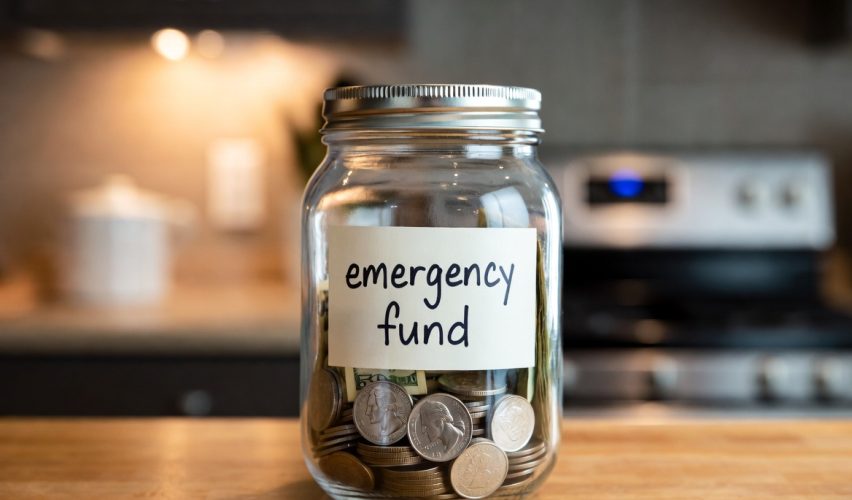
Nearly 60 percent of Americans cannot cover a $1,000 emergency with savings. If that sounds like you, this guide will show you how to build your safety net from scratch — even if money is tight right now.
Why an Emergency Fund Matters
An emergency fund is not about being wealthy. It is about having a buffer between you and life’s inevitable surprises. A flat tire. A trip to urgent care. A broken washing machine. Without savings, these events become financial crises that often lead to credit card debt or payday loans.
The psychological benefit is just as important as the financial one. Knowing you have even $500 set aside changes how you sleep at night. It reduces stress, improves decision-making, and gives you the confidence to handle problems without panicking.
Think of your emergency fund as insurance you pay to yourself. Every dollar you put in is a dollar you will not need to borrow at 20 percent interest later. It is the single most important financial step you can take before investing, paying extra on debt, or anything else.
Set Your First Target: $500
Forget about three to six months of expenses for now. That number feels impossibly far away when you are starting from zero and can actually discourage you from starting at all. Your first goal is $500. That is enough to cover most car repairs, a medical co-pay, or a minor home fix.
Five hundred dollars might take you two months or six months to save depending on your situation. Both timelines are fine. The point is to start, not to finish fast. Every week you add something — even $10 — you are building a habit that will serve you for life.
Where to Find the Money
When you are living paycheck to paycheck, the idea of saving feels impossible. But most people have at least some money they can redirect. Here are practical places to look.
- Cancel one subscription you rarely use ($10-15/month)
- Cook at home one extra night per week ($40-60/month)
- Sell items you no longer use on Facebook Marketplace or Craigslist
- Adjust tax withholding if you get large refunds (that is your money sitting idle)
- Round up purchases and save the difference
- Put any windfalls directly into savings (tax refund, birthday cash, rebates)
- Pick up one extra shift or side gig per month
The key is to automate your savings. Set up an automatic transfer from checking to savings on payday — even if it is just $25. Money you never see in your checking account is money you will not spend. This single step is more effective than any amount of willpower.
Quick win: Check your bank account right now. If you have even $20 that is not earmarked for a bill, transfer it to a savings account. You have officially started your emergency fund. The hardest part is done.
Where to Keep Your Emergency Fund
Your emergency fund should be accessible but not too accessible. A high-yield savings account at an online bank is the best option for most people. These accounts currently pay 4 to 5 percent interest, which means your money grows while it waits.
Do not keep your emergency fund in your primary checking account. It is too easy to spend. Do not invest it in the stock market either — you need this money to be available immediately without worrying about market drops.
Good options include online banks like Ally, Marcus, or Capital One 360. They typically offer higher interest rates than traditional banks, have no minimum balance requirements, and let you transfer money to your checking account within one to two business days.
From $500 to One Month of Expenses
Once you hit $500, celebrate. Seriously — acknowledge the accomplishment. Then set your next target: one full month of essential expenses. Calculate what you need for rent, utilities, groceries, transportation, and insurance. That number is your new goal.
At this stage, look for ways to increase the amount you save each month. Can you negotiate a lower rate on your car insurance? Can you switch to a cheaper phone plan? Can you meal prep on Sundays to cut your grocery bill? Each small optimization adds up.
If you receive a raise at work, commit to saving at least half of the increase. You were already living on your previous income, so redirecting part of the raise into savings is painless.
Building to Three to Six Months
Three to six months of expenses is the standard recommendation, and for good reason. It gives you enough runway to handle a job loss, a major medical event, or a significant home repair without going into debt.
Whether you aim for three months or six depends on your situation. If you have a stable job, a two-income household, and good health insurance, three months may be sufficient. If you are self-employed, work in a volatile industry, or are a single income household, aim for six.
At this stage, the habit is already built. You are saving regularly, your fund is growing, and you have already used it once or twice for actual emergencies (and replenished it). You are operating from a position of strength rather than anxiety.
Rules for Using Your Emergency Fund
An emergency fund is not a vacation fund, a holiday shopping fund, or a “I really want that” fund. Establish clear rules for when you can tap into it.
Legitimate emergencies: job loss, medical bills, essential car or home repairs, unexpected travel for family emergencies.
Not emergencies: a great sale, a concert you forgot to budget for, a new phone because yours is two years old, holiday gifts.
When you do use the fund, make replenishing it your top priority. Pause extra debt payments or investment contributions temporarily until the fund is back to its target level. The fund exists to keep you out of high-interest debt — keeping it funded is always the priority.
What If You Have Debt?
There is an ongoing debate about whether to build savings or pay off debt first. The practical answer is to do both, but start with a small emergency fund. Save your first $500 to $1,000 before aggressively attacking debt.
Without any savings, the first unexpected expense sends you right back into debt. You end up in a cycle of paying down a credit card, having an emergency, charging it back up, and starting over. A small emergency fund breaks that cycle.
Once you have that starter fund, throw everything at your highest-interest debt. After the debt is gone, redirect those payments into building your full three to six month fund.
Your first step: transfer $20 to savings today
Every emergency fund started with a single deposit. Make yours right now.
Finance Helper Hub may receive compensation when you click links on this page. All information is for educational purposes only and does not constitute financial, legal, or tax advice. Consult a qualified professional before making financial decisions.

Get Free Financial Tips Delivered to Your Inbox
Join thousands of readers learning to take control of their money. No spam, unsubscribe anytime.
We respect your privacy. Read our Privacy Policy.